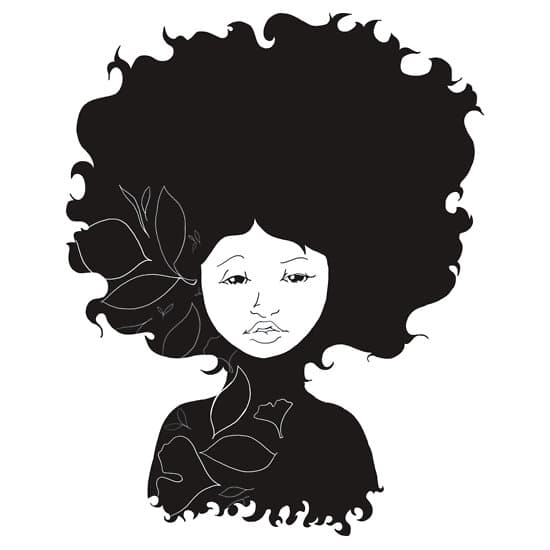
Last week, I sat beside a child, six or seven years old, while administering a literacy screener. We were about halfway through the test when she held out her hand, palm up, and used it to lift the ends of my hair. “You got bouncy hair,” she said. I, in turn, patted the end of her fuzzy ponytail with my hand and said, “You, too.” We smiled. After that, she casually wound her finger through an opening in my loose-knit scarf and proceeded to twirl it. She didn’t ask, she just did it, and continued on until it was time to leave. I adored that girl, immediately. I think that she liked me.
Did I mention how poorly she did on her test? She did. Very much so.
When you screen a child, it’s tough. You are looking for weakness, after all, in a tiny and vulnerable human being. When you screen an entire grade or most of a school, it is brutal. Weakness suddenly has a severity scale, with too many landing in the worst-off shade of red. Ms. Bouncy Hair was maybe on orange alert, doing better than some but worse than half, which is a lot like saying that she was drowning but doing so close to the surface. She was almost breathing air. She was almost going to make it, so close to almost there.
You’re probably thinking right now that someone should step in and save that child. And you’re right, someone should. I once believed that I could, and that I always, always would. But I promise you that a messiah complex will not actually save a life. Because even if you can walk on water, try doing it carrying three hundred kids. Try doing it carrying even one, just one extra, in addition to your own child, your husband, your job, your elderly pet, your chronic illness, your far-away parents, your bills, your home, your every-living-day. Very quickly, a fifty-pound child starts to feel like a two-ton stone. You’d be surprised when you start sinking, how quickly you let go.
I let go of Ms. Bouncy Hair. Did I mention that? I even had her hand in mine, and I let it slip away.
When I screen a child and that child is reading at the bottom of her class, I’m almost relieved. I can do more than smile at that child or pat her fun hair; I can look her in the eye. Because I’m going to try to save her. I have leave to, and funds to, even though she might already be past my help. Despite my best efforts, she might never read at grade level. Not infrequently, in fact, I’m certain that she won’t.
The human brain is complicated. It is made up of pathways, connections, and folds. There are specialized areas. Things fire in the brain, and then go dark. Thanks to MRI machines, we have watched human brains as they read, and they don’t all look the same. Some of the differences have names, like dyslexia. Some have ideas, notions, and guesses. Some have trauma and sadness. Some children have files full of answers, if they are lucky enough to come from means. Others have nothing, save having reached the second grade with four schools and six homes already in their wake.
I am deeply suspicious that Ms. Bouncy Hair, if she came from means, would have a name for what devils her reading. I think that it is singular and diagnosable. Right now, her intelligence is compensating, keeping her from reading at the bottom of her class. Later, the disability will become too much. She will sink. She will fail. But I won’t be there then. I met her now, when she is almost okay, when all I can do is know all of this and do nothing, just walk away.
Ms. Bouncy Hair has a real name. Of course she does. It is beautiful. In fact, it is so perfect that it had to have been happenstance that it came out that way. Or perhaps I do her a disservice. Another disservice, I should say. I did not save her. But I wrote about her; I have done that. If you’re reading this, try to hear her voice. It made me think of wind chimes. She wore a pink bow. We can’t go on this way.